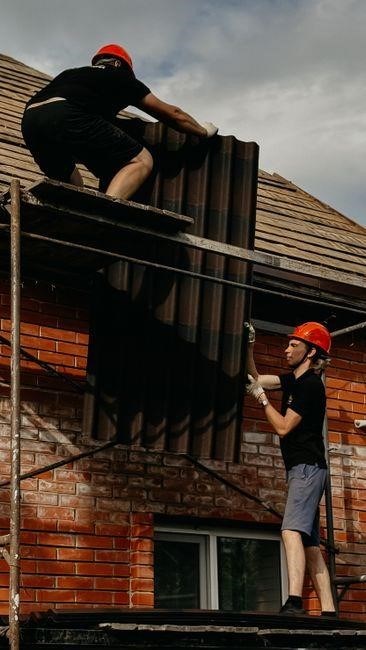
These materials combine cement with reinforcing fibers for durability.
The fibre cement sheet installation guide details proper setup.
They are often sized around four by eight or three feet, aiding cost control during the project.
Composition of Fibre Cement Sheets
The fundamental makeup of these robust building materials involves a careful blend of cement and various reinforcing fibers, which significantly enhance their structural integrity and longevity in diverse environmental conditions.
These sheets are engineered for resilience, making them suitable for numerous exterior and interior applications where durability against weather and wear is paramount.
The inclusion of these fibers prevents excessive cracking and improves the overall handling characteristics during construction phases.
Understanding this composition is key before proceeding with the fibre cement sheet installation guide, ensuring that the material’s properties align with the project’s demands.
For instance, the dimensions, often around four by eight or three feet, are optimized for efficient material use, thereby mitigating overall installation expenses.
Furthermore, the manufacturing process can involve specific treatments, such as heating tallow to 180 F (82 C) and adding dry salt per ton of fat, illustrating the complex chemical engineering behind the final product.
This detailed knowledge supports better planning, especially concerning material handling and site preparation, leading to a smoother and more cost-effective construction outcome for the contractor involved in the fitting process.
Accurate assessment of sheet size requirements on site is crucial for maintaining workflow efficiency throughout the entire installation sequence, preventing costly material wastage and delays in the construction timeline.
We emphasize that this foundational understanding precedes all practical steps outlined in the comprehensive fibre cement sheet installation guide, ensuring a professional and successful build from the very initial stages of material assessment and preparation before any cutting or fastening occurs on the job site.

Preparation Before Installation
Accurate sheet size checking is vital for smooth project execution.
Preparation involves site assessment before following the fibre cement sheet installation guide.
These durable materials, often sized around four by eight, require careful groundwork for optimal performance and cost management.
Checking Sheet Size Requirements
Determining the correct sheet dimensions on site significantly impacts the overall efficiency and smoothness of the entire construction endeavor.
It is absolutely crucial to verify that the available fibre cement sheet installation guide aligns with the structural needs of the specific area being covered, whether it is a ceiling or an exterior cladding.
These sheets, which incorporate a blend of cement and reinforcing fibers, commonly come in standard sizes such as four by eight feet or three feet, but site-specific measurements must always take precedence over generic stock sizes to prevent costly material waste and delays during the installation process.
A thorough pre-measurement phase minimizes on-site adjustments, ensuring a more professional and timely completion of the job.
Considering the longevity and strength these composite materials offer, precise sizing guarantees proper fit and structural integrity throughout the lifespan of the building component.
This meticulous checking process is a cornerstone of successful building practices, preventing issues down the line that could necessitate complex and expensive remediation efforts later on.
Always compare your measurements against the manufacturer’s specifications provided within the fibre cement sheet installation guide to confirm compatibility and intended use for your particular project requirements.
The experience gained from years in this trade emphasizes that accurate initial planning saves substantial time and resources, making this step non-negotiable for any serious contractor or DIY enthusiast undertaking this task.
We must ensure that the chosen dimensions fit seamlessly into the existing framework without requiring excessive cutting or awkward patching, which compromises the aesthetic and structural quality of the final installation.

This guide outlines the necessary steps for proper application of these durable, fiber-reinforced cement sheets.
Accurate sizing is key for smooth execution, as noted in professional insights.
Follow the fibre cement sheet installation guide meticulously for a successful, long-lasting finish on your project.
Surface Preparation for Installation
Thorough surface preparation is absolutely crucial before commencing any work with these robust materials.
It ensures optimal adhesion and prevents premature failure of the installed sheets.
Inspect the substrate meticulously for any signs of moisture, loose material, or contaminants which could compromise the integrity of the final structure.
Cleaning the area with appropriate solvents or power washing, depending on the underlying material, is highly recommended to achieve a clean, receptive surface for the cement-based product.
If the existing surface is uneven, minor leveling or patching using compatible mortar should be performed first; never attempt to install directly onto severely irregular ground.
This preparatory stage directly impacts the longevity and aesthetic quality of the entire installation process.
Remember that the fibre cement sheet installation guide emphasizes this foundational step.
Proper curing time for any preparatory repairs must be observed before proceeding to the actual laying of the sheets.
Consider the environmental conditions; humidity and temperature fluctuations can affect both the substrate and the adhesive, so work within recommended parameters.
A dry, stable, and clean base is non-negotiable for a professional and enduring outcome, preventing future issues like delamination or water ingress.
This diligence saves significant time and resources later on, making the initial effort worthwhile for a superior build quality.

Cutting and Shaping Sheets
Accurate cutting is vital for tight joints.
Use appropriate tools for clean, precise shaping of the material.
The fibre cement sheet installation guide advises on methods for various cuts.
Ensure all edges are smooth post-cutting to prevent damage during subsequent fastening steps.
Tools Needed for Cutting
Essential equipment for working with these robust panels includes specialized saws designed for cementitious materials.
A circular saw equipped with a diamond blade is highly recommended for achieving clean, straight cuts on the fibre cement sheet installation guide.
For more intricate or smaller shaping tasks, a jigsaw with a suitable masonry or carbide-tipped blade proves very effective, allowing for curves and precise contours.
Safety gear, such as safety goggles, dust masks, and gloves, is absolutely non-negotiable when operating any cutting machinery; dust from these sheets can be abrasive and harmful to respiratory health.
Additionally, measuring tapes, straight edges, and marking tools are necessary precursors to cutting, ensuring that the required dimensions are accurately transferred from the plans to the raw material before any cutting commences.
The selection of the correct blade type directly impacts the quality of the cut, minimizing chipping and material waste, which contributes significantly to the overall efficiency and cost-effectiveness of the installation process.
Remember that the material’s density requires powerful, stable cutting tools to prevent stalling or overheating the blade, which can compromise its integrity mid-cut.
This preparation phase, utilizing the right tools, sets a strong foundation for the entire construction phase, adhering strictly to the fibre cement sheet installation guide protocols.
Proper tool maintenance, such as blade sharpening or replacement, must be part of the workflow to guarantee consistent performance throughout the job duration.
Consider having backup tools available in case of equipment failure on site, ensuring minimal project downtime while adhering to the strict requirements of the fibre cement sheet installation guide;

Adhesion and Fastening Methods
Secure attachment relies on appropriate fasteners and adhesives, as per the fibre cement sheet installation guide.
Screws must be selected for compatibility with cementitious materials.
Adhesives, if used, require proper surface preparation for optimal bond strength.
This method ensures structural integrity throughout the lifespan of the installed sheets.
Screw and Fastener Selection
Choosing the correct hardware is paramount for a successful and long-lasting application when following the fibre cement sheet installation guide.
Given the composition of these sheets, which blend cement with reinforcing fibers, standard wood screws will not provide adequate holding power or longevity.
It is absolutely necessary to opt for specialized fasteners, typically those designed for masonry or cementitious substrates.
These screws must possess corrosion resistance, such as galvanized or stainless steel, to prevent premature failure due to environmental exposure, especially if the sheets are used externally or in damp areas.
The length of the screw must be sufficient to penetrate the sheet thickness adequately while not excessively protruding on the backside, which could compromise the finish or create snagging hazards.
Furthermore, the drive type should match the screw head design for secure seating without stripping the material.
Consider the load-bearing requirements of the structure; heavier applications demand higher gauge and more robust fasteners.
Always consult the manufacturer’s specifications for the specific fibre cement product you are using, as fastener recommendations can vary based on density and reinforcement type.
Over-tightening should be avoided to prevent cracking the brittle cement matrix.
This careful selection process directly impacts the overall durability and safety of the completed installation, ensuring compliance with building standards and maximizing the investment in quality materials.
Proper fastening prevents movement, which mitigates stress points that lead to material degradation over time, thereby extending the service life significantly beyond expectations.
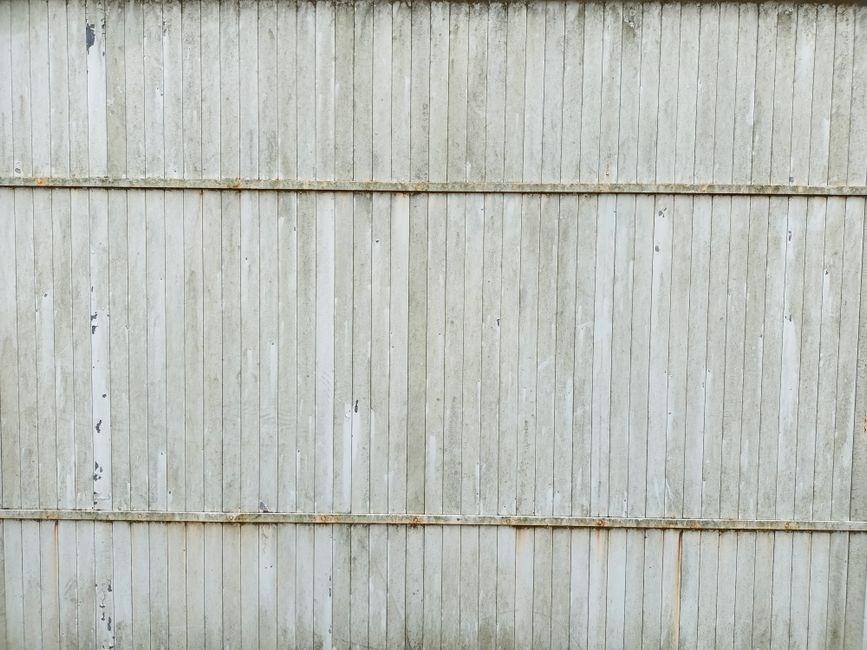
Laying Out the Sheets
Accurate placement is key for a professional finish per the fibre cement sheet installation guide.
Start with a reference point, like a corner, to maintain consistent alignment across the entire area.
Consider the sheet size requirements to minimize cuts and waste, ensuring smooth workflow.
This methodical approach guarantees structural integrity and aesthetic appeal throughout the entire installation process.
Alignment and Spacing Considerations
When executing the fibre cement sheet installation guide, meticulous attention must be paid to alignment and spacing to achieve a flawless and durable surface.
The dimensions, often around four by eight or three feet, necessitate careful planning to ensure minimal cutting waste and optimal structural support throughout the construction area.
Maintaining consistent spacing between individual sheets is crucial; uneven gaps can compromise the overall integrity and aesthetic uniformity of the finished structure.
Begin by establishing a primary datum line, such as a wall edge or a pre-existing structural element, and work outward from this fixed point.
This systematic method prevents cumulative errors that become difficult to correct later in the process.
Furthermore, the specific application—be it cladding, roofing, or ceiling—will dictate the precise required overlap or gap tolerance, which must be referenced against the manufacturer’s specifications.
Ignoring these details can lead to visible inconsistencies, water ingress points, or structural weaknesses, thereby undermining the longevity of the entire installation.
The goal is not just to cover the area but to do so in a manner that is both robust and visually seamless;
Reviewing the material’s tolerance for movement, especially in varying climatic conditions, informs the necessary spacing adjustments.
A thorough pre-installation layout check, referencing the fibre cement sheet installation guide, saves significant time and material costs during the actual fastening phase.
This proactive approach ensures that the final product meets high standards of quality and performance, reflecting professional craftsmanship from the initial layout stage through to the final sealing procedures.
Remember that precision in this stage dictates the success of all subsequent steps, from fastening to joint treatment, making this a non-negotiable aspect of the entire procedure.
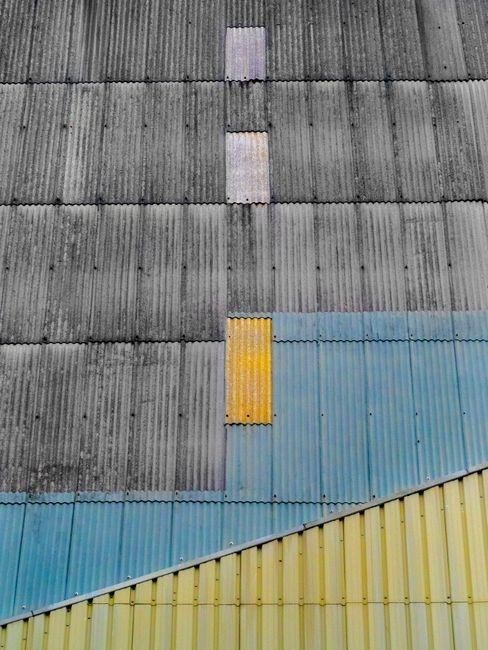
Sealing and Finishing Touches
Joint treatment materials are vital for weatherproofing the structure after the fibre cement sheet installation guide is followed.
Proper sealing prevents moisture intrusion, ensuring long-term material integrity and aesthetic appeal.
Apply specified sealants meticulously to all seams and penetrations for a complete, durable finish.

Joint Treatment Materials
The selection of appropriate joint treatment materials is paramount for achieving a robust and weather-resistant structure when following the fibre cement sheet installation guide.
These materials must be compatible with the cementitious nature of the sheets, resisting cracking and environmental degradation over time.
Consider high-quality, flexible sealants designed for exterior applications, such as polyurethane or silicone-based compounds, depending on the substrate and climate conditions encountered during the construction process.
Thoroughly clean all joint surfaces before application to ensure maximum adhesion and prevent premature sealant failure.
The application technique requires careful tooling to achieve a uniform, weather-tight profile, which is crucial for preventing water ingress into the underlying structure.
Different joint types, such as control joints or expansion joints, necessitate specific material properties to accommodate thermal movement inherent in these large panels.
Review manufacturer specifications for curing times and temperature tolerances before proceeding with the final sealing steps.
This meticulous attention to detail in joint treatment significantly enhances the longevity and overall performance of the installed system, moving beyond mere assembly to true protective finishing.
Accurate material choice directly impacts the building’s resistance to moisture, freeze-thaw cycles, and UV exposure, thereby safeguarding the entire investment made in the fibre cement sheets.
It is a critical phase often overlooked but which determines the structure’s resilience against the elements, ensuring compliance with building codes and expected service life.

Post-Installation Inspection
Verify all fasteners are secure and correctly seated per the fibre cement sheet installation guide.
Check joints for complete sealant coverage and absence of voids or gaps.
Ensure alignment is maintained across all sheets, confirming structural integrity before final sign-off.
This final check guarantees a high-quality, durable, and code-compliant finished surface.
Addressing Common Installation Issues
When encountering difficulties during the process, remember that meticulous preparation is key to avoiding setbacks.
One frequent problem involves improper sheet sizing; always confirm the required dimensions on site to ensure a smooth workflow, as inaccurate measurements significantly complicate the entire job, impacting both time and budget.
Another common pitfall is inadequate surface preparation before adhering or fastening the panels.
Ensure the substrate is clean, dry, and free from contaminants to guarantee maximum adhesion and longevity of the structure.
If warping or cracking occurs post-installation, it often relates to improper fastening techniques or environmental stress; verify that the selected screws and fasteners are appropriate for the specific fibre cement composition.
Always consult the comprehensive fibre cement sheet installation guide for troubleshooting steps specific to your material type.
Furthermore, insufficient joint treatment materials can lead to water ingress and premature material degradation, so thorough sealing is non-negotiable.
If alignment issues persist, re-examine the layout plan, paying close attention to spacing considerations between adjacent sheets to maintain a uniform and professional aesthetic finish across the entire area being covered.
Experienced professionals understand that proactive problem-solving, guided by established procedures, prevents minor hiccups from escalating into major, costly repairs, thereby ensuring the project meets its intended high standards of durability and appearance.

Maintenance of Installed Sheets
Long-term care involves routine inspection for any signs of damage or deterioration.
Keep the surface clean by gently washing with mild solutions, avoiding harsh chemicals.
Regularly check joints and fasteners, applying joint treatment materials if needed per the fibre cement sheet installation guide.
Proper upkeep ensures the material retains its structural integrity for many years.
Long-Term Care Recommendations
Maintenance of these robust materials requires a proactive approach to ensure longevity and aesthetic appeal throughout the structure’s lifespan.
It is crucial to periodically inspect the installed surfaces, paying close attention to areas around joints and fasteners where moisture ingress or physical stress might occur.
Regular cleaning should be performed using only mild, non-abrasive detergents and water; harsh chemical cleaners can degrade the cement matrix over time, compromising the material’s intended resilience.
Furthermore, always verify that the initial sealing and joint treatment materials remain intact, as these barriers protect the underlying structure from environmental wear.
If any cracking or signs of material fatigue are observed, immediate professional assessment is necessary to prevent minor issues from escalating into major structural concerns.
Adherence to the fibre cement sheet installation guide provides the baseline for expected performance, and consistent, gentle maintenance supports this.
The material’s inherent resistance to many elements is high, but preventative care maximizes this benefit.
Consider periodic visual checks after severe weather events, such as heavy rain or high winds, to confirm the integrity of the installation.
This diligent upkeep ensures the investment in these durable sheets remains sound for decades to come, providing reliable protection and appearance.