USB Wall Charger Hidden Camera Manual: A Comprehensive Guide
This manual provides detailed instructions for operating a USB wall charger with a concealed camera, like the WEMLB model, a gadget gaining viral attention․
It’s a discreet surveillance tool, blending seamlessly into everyday environments, offering a covert recording solution for various needs․
Understanding Hidden Camera Chargers
Hidden camera chargers represent a fascinating intersection of everyday technology and discreet surveillance․ These devices, often resembling standard USB wall adapters used for charging smartphones and tablets, conceal a fully functional camera within their housing․ Their primary advantage lies in their inconspicuous nature; a phone charger is a ubiquitous object, rarely attracting suspicion, making them ideal for covert monitoring․
The appeal of these chargers, like those from brands such as WEMLB, stems from their ability to blend seamlessly into any environment – homes, offices, travel accommodations – providing a virtually undetectable recording solution․ They capitalize on the assumption that chargers are simply functional accessories, effectively hiding their secondary purpose․ This disguise allows for capturing video evidence without alerting individuals to their being recorded․
However, it’s crucial to acknowledge the ethical and legal implications surrounding their use․ While offering a practical solution for security or documentation, responsible and lawful operation is paramount․ Understanding the boundaries of privacy and adhering to relevant regulations are essential considerations before deploying such a device․
What is a USB Wall Charger Hidden Camera?
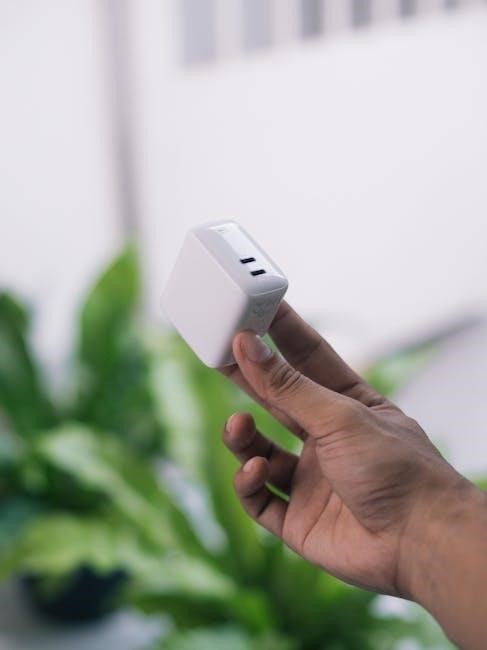
A USB wall charger hidden camera is a surveillance device cleverly disguised as a common electronic accessory․ It functions as a fully operational USB charger, capable of powering smartphones, tablets, and other USB-compatible devices, while simultaneously recording video and often audio․ These chargers typically feature a small, high-definition camera lens integrated into the charger’s housing, virtually undetectable to the casual observer․
Models like the WEMLB Spy Camera USB Phone Charger exemplify this technology, gaining traction due to their discreet design and ease of use․ They often record footage directly onto a microSD card inserted within the device, allowing for easy transfer to a computer for viewing and storage․ Many also offer features like motion-activation, ensuring recording only occurs when movement is detected, conserving storage space and battery life․
Essentially, it’s a two-in-one device offering functionality and covert surveillance, capitalizing on the ubiquity of phone chargers to remain unnoticed․
Key Features & Specifications
Typical USB wall charger hidden cameras boast several key features․ Video resolution commonly ranges from 1080p to 4K, ensuring clear footage․ Motion-activated recording is standard, conserving storage and battery․ Many models include a wide-angle lens, capturing a broader field of view․ Internal storage utilizes microSD cards, with capacities often supporting up to 128GB or more․
Power input is generally 110-240V AC, making them compatible with standard outlets․ The USB output provides standard charging current for mobile devices (typically 5V/2A)․ Some advanced models offer remote viewing capabilities via a smartphone app, allowing live streaming and control․ Loop recording overwrites the oldest footage when the microSD card is full, ensuring continuous operation․
The WEMLB charger, for example, exemplifies these specs, offering a compact design and discreet operation․ These features combine to create a powerful, yet unassuming, surveillance solution․
Common Brands & Models (WEMLB, etc․)
Several brands specialize in hidden camera technology, with WEMLB frequently appearing as a popular choice due to its viral presence and ease of use․ Other notable brands include SECUREYE, TINYCAM, and LawMate, each offering a range of charger-based hidden cameras with varying features and price points․
WEMLB’s Spy Camera USB Phone Charger is a standout model, often highlighted for its inconspicuous design and straightforward functionality․ SECUREYE offers models with enhanced motion detection and loop recording․ TINYCAM focuses on compact size and affordability․ LawMate tends to cater to professional surveillance needs, with higher-end specifications․
When selecting a brand, consider factors like video quality, storage capacity, remote viewing options, and overall reliability․ User reviews and comparisons can be invaluable in determining the best fit for your specific requirements․ Availability also varies by region and retailer․
Setting Up Your Hidden Camera Charger
Proper setup is crucial for optimal performance․ Begin by fully charging the device before initial use, ensuring a stable power source for reliable recording capabilities and functionality․
Initial Charging & Power Source
Before first use, a complete charge of your USB wall charger hidden camera is essential․ Connect the charger to a functioning wall outlet using a standard USB cable – the one you’d typically use for your phone is suitable․ Allow approximately 3-5 hours for a full charge; the device may indicate charging status with a small LED light, often red while charging and turning blue or green when complete․
Selecting the correct power source is also vital․ While these chargers are designed for standard 110-240V outlets, avoid using damaged or overloaded circuits․ A stable and consistent power supply ensures uninterrupted recording and prevents potential damage to the device․ It’s recommended to use a dedicated outlet rather than a power strip, especially during extended recording sessions; Ensure the charger is firmly plugged into the outlet to avoid accidental disconnection, which could interrupt recording and potentially corrupt saved footage․
Inserting a MicroSD Card
Proper MicroSD card insertion is crucial for storing recorded footage․ Locate the MicroSD card slot on your USB charger camera – it’s typically a small, discreet opening․ Before inserting, power off the device completely to prevent data corruption or damage to the card reader․ Gently insert the MicroSD card, ensuring it’s oriented correctly; most slots have a diagram indicating the proper direction․
Compatibility is key: These cameras generally support MicroSD cards up to 32GB or 64GB, though some newer models may accommodate larger capacities․ Always check your device’s specifications․ Formatting the card within the camera before initial use is highly recommended․ This ensures optimal compatibility and performance․ Avoid removing the card during recording, as this can lead to file corruption․
To eject the card, gently press it inward until it clicks, then release․ Never force the card in or out․ Regularly back up your footage to a computer or cloud storage to prevent data loss․
Connecting to a Power Outlet
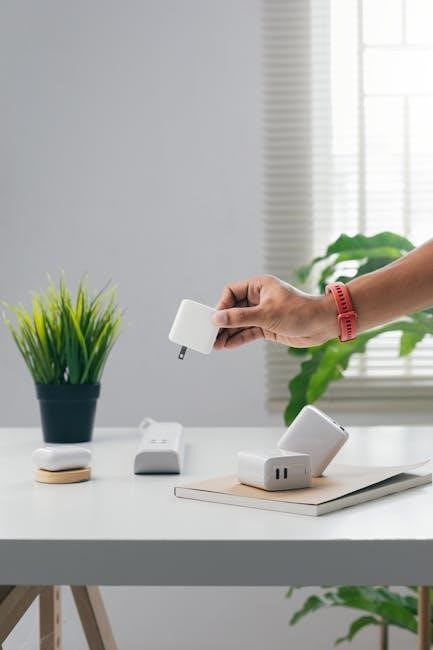
Once the MicroSD card is securely inserted, connect the USB wall charger camera to a standard power outlet․ Ensure the outlet is functioning correctly and provides a stable power supply․ The device is designed to appear as a typical phone charger, blending seamlessly into its surroundings․ Avoid using damaged or frayed power cables, as this could pose a safety hazard and potentially damage the camera․
During connection, observe the indicator light․ A steady light usually signifies the device is receiving power and operating normally․ Some models may have a flashing light to indicate recording is in progress․ Position the charger strategically to maximize the camera’s field of view while remaining inconspicuous․ Avoid placing it in direct sunlight or near heat sources․
Regularly check the connection to ensure it remains secure․ A loose connection can interrupt recording and potentially corrupt saved footage․ The charger’s functionality as a working USB port allows it to charge devices simultaneously, further enhancing its disguise․
Operating the Hidden Camera
Activate recording using continuous or motion-detection modes, adjusting resolution for optimal quality․ Time and date stamping options enhance footage review and provide crucial contextual information․
Recording Modes (Continuous, Motion-Activated)
USB wall charger hidden cameras typically offer two primary recording modes: continuous and motion-activated․ Continuous recording, as the name suggests, captures footage 24/7, providing a complete record of the surrounding environment․ This mode is ideal for situations where you need an uninterrupted stream of video, ensuring no event goes unrecorded․
However, continuous recording consumes significant storage space and can result in lengthy footage reviews․ Motion-activated recording addresses this by only recording when movement is detected within the camera’s field of view․ This conserves storage and simplifies reviewing footage, focusing attention on relevant events․
Sensitivity settings often accompany motion detection, allowing you to adjust the level of movement required to trigger recording․ Higher sensitivity detects even subtle motions, while lower sensitivity requires more significant movement․ Proper adjustment is crucial to avoid false alarms (e․g․, from shadows or insects) or missing important activity․ The WEMLB model, and similar devices, commonly feature this functionality, making them versatile for diverse surveillance needs․
Adjusting Recording Resolution & Quality
Most USB wall charger hidden cameras allow you to adjust the recording resolution and quality, impacting both file size and video clarity․ Common resolution options include 720p, 1080p, and sometimes even higher․ Higher resolutions (like 1080p) provide sharper, more detailed footage, crucial for identifying individuals or objects, but generate larger files that fill storage faster․
Quality settings often accompany resolution choices, typically represented as low, medium, or high․ These settings control the compression level applied to the video․ Higher quality settings reduce compression, preserving more detail but increasing file size․ Lower quality settings increase compression, reducing file size but potentially sacrificing clarity․
Balancing resolution and quality is key․ For general surveillance where identifying details isn’t paramount, a lower resolution and medium quality might suffice․ However, for situations requiring clear identification, prioritizing higher resolution and quality is recommended․ Consider the available storage capacity of your microSD card when making these adjustments, as higher settings quickly consume space․
Time & Date Stamping Options
Accurate time and date stamping are vital for contextualizing recorded footage, providing crucial evidence when reviewing events․ Most USB wall charger hidden cameras offer options to enable or disable this feature within their settings menu, often accessible through dedicated software on a computer․
The ability to customize the timestamp format is also common, allowing you to choose between different date and time displays (e․g․, or YYYY-MM-DD HH:MM:SS)․ Ensuring the camera’s internal clock is synchronized with the correct time is essential for accurate stamping․
Properly configured time and date stamps aid in organizing and searching through recordings, making it easier to pinpoint specific events․ Without timestamps, footage becomes significantly less valuable for investigative or evidentiary purposes․ Regularly verify the accuracy of the time and date settings to maintain the integrity of your recordings․
Accessing & Managing Footage
Retrieving recorded data typically involves connecting the charger to a computer via USB, enabling file transfer․ Dedicated software, if provided, streamlines this process and offers playback options․
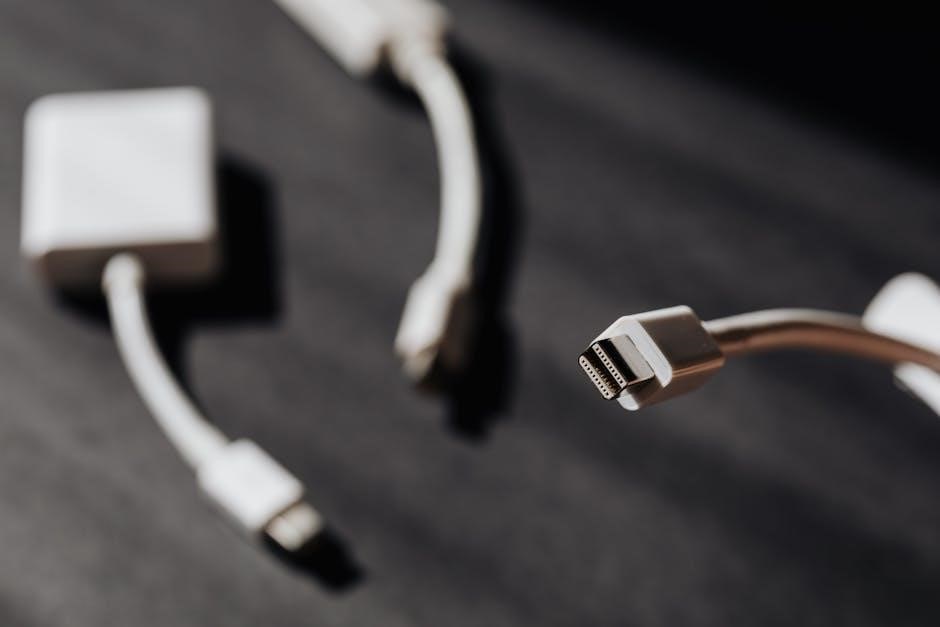
Connecting to a Computer via USB
Establishing a connection between your USB wall charger hidden camera and a computer is generally straightforward, utilizing a standard USB cable․ Ensure your computer recognizes the device; it may appear as a removable drive or require specific driver installation, often included with the product or available online․
Once connected, navigate to your computer’s file explorer (Windows) or Finder (Mac) to locate the device․ The recorded footage is typically stored on the microSD card inserted within the charger․ Accessing the files involves browsing the card’s directory structure․ You’ll likely find folders organized by date and time, containing the video recordings․
Be mindful of safely ejecting the device after transferring files to prevent data corruption․ Use the “Safely Remove Hardware” option in Windows or drag the device icon to the Trash in macOS before physically disconnecting the USB cable․ This ensures all data is properly written to the card and avoids potential issues with future access․
Using Dedicated Software (if applicable)
Some USB wall charger hidden cameras, particularly more advanced models, may include dedicated software for enhanced functionality․ This software, often available for download from the manufacturer’s website, provides a user-friendly interface for managing recordings, adjusting settings, and potentially even live viewing․
Installation typically involves running the downloaded executable file and following the on-screen prompts․ Once installed, the software may automatically detect the connected camera or require you to manually select it from a list of available devices․ The software interface usually allows for easy browsing of recorded footage, playback, and downloading to your computer․
Advanced features within the software might include time-lapse viewing, video editing capabilities, and remote control of camera settings․ Refer to the software’s documentation or help files for detailed instructions on utilizing these features․ Ensure the software is kept updated to benefit from bug fixes and new functionalities․
File Formats & Compatibility
USB wall charger hidden cameras typically record footage in standard video formats, most commonly AVI or MP4․ AVI is an older format, while MP4 offers better compression and wider compatibility across devices and platforms․ The resolution of the recordings will also influence file size; higher resolutions create larger files․
Compatibility is generally broad, as these formats are widely supported by operating systems like Windows and macOS․ However, older systems might require codec packs to play certain files․ Most modern video players, including VLC Media Player and Windows Media Player, can handle AVI and MP4 files without additional software․
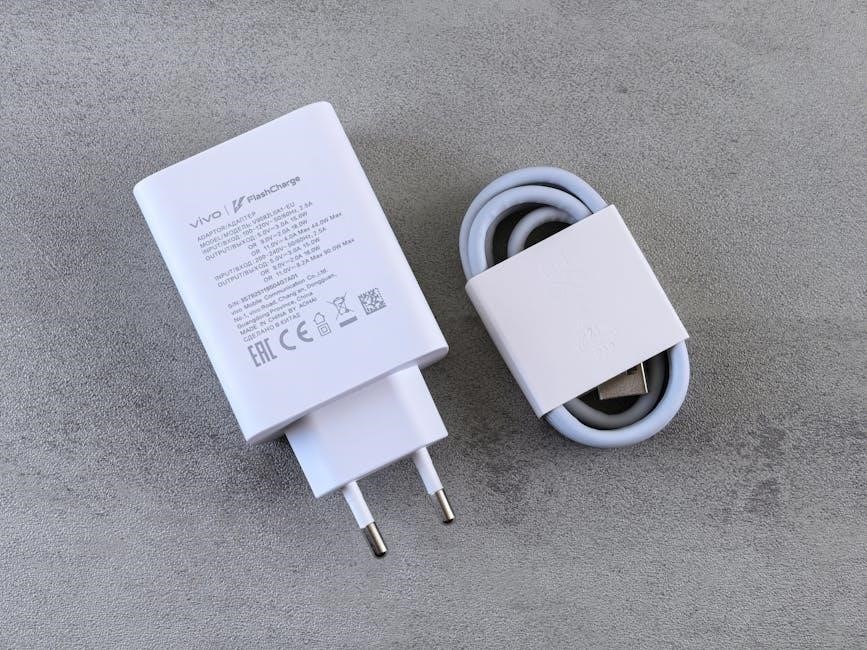
When transferring files to a computer, ensure sufficient storage space is available․ Consider using a fast USB connection for quicker transfer speeds․ Backing up recordings to an external hard drive or cloud storage is recommended to prevent data loss․ Always verify the file integrity after transfer to ensure the footage is not corrupted․
Legal & Ethical Considerations
Using a hidden camera charger requires careful consideration of privacy laws and ethical boundaries․ Responsible use avoids misuse, and understanding potential legal consequences is crucial for lawful operation․
Privacy Laws & Regulations
Operating a USB wall charger hidden camera is subject to a complex web of privacy laws, varying significantly by location․ Federal and state regulations govern surveillance, and violating these can lead to severe penalties․ Generally, recording audio without consent is illegal in many jurisdictions, even if video recording is permitted․
Many states require “two-party consent,” meaning all individuals being recorded must be aware and agree to the recording․ Other states operate under “one-party consent,” where only the recorder needs to be aware․ It’s vital to research and understand the specific laws in your area before deploying such a device․
Furthermore, using a hidden camera in areas where individuals have a reasonable expectation of privacy – like bathrooms or bedrooms – is almost universally illegal․ Even in permissible locations, signage indicating surveillance may be legally required․ Ignoring these regulations can result in civil lawsuits, criminal charges, and a damaged reputation․ Always prioritize legal compliance and ethical considerations when utilizing hidden surveillance technology․
Responsible Use & Avoiding Misuse
While USB wall charger hidden cameras offer security benefits, responsible use is paramount․ These devices should never be employed for malicious purposes, such as spying on individuals without legitimate reason or violating their privacy․ Consider the ethical implications before activating the recording function․
Legitimate uses might include monitoring a home while away, investigating potential theft, or ensuring the safety of vulnerable individuals with their consent․ However, even in these scenarios, transparency is crucial whenever possible․ Avoid using the camera to gather information for blackmail, harassment, or any illegal activity․
Remember, the seemingly innocuous nature of a phone charger disguise doesn’t negate the seriousness of privacy violations․ Prioritize respect for others’ rights and adhere to all applicable laws․ Misuse can lead to legal repercussions and erode trust․ Always ask yourself if your intended use is justifiable and ethical before deploying the device․
Potential Legal Consequences
The use of hidden cameras, even disguised as everyday objects like USB chargers, carries significant legal risks․ Privacy laws vary considerably by jurisdiction, and unauthorized surveillance can result in both civil and criminal penalties․ Recording individuals in private spaces – bedrooms, bathrooms, changing rooms – is almost universally illegal without explicit consent․
Violations can lead to lawsuits for invasion of privacy, emotional distress, and potentially defamation․ Criminal charges may include illegal wiretapping, unlawful surveillance, or voyeurism, carrying penalties ranging from fines to imprisonment․ Even recording audio without consent can be unlawful in many locations․
It’s crucial to thoroughly research and understand the specific laws in your area before deploying a hidden camera․ Ignorance of the law is not a valid defense․ Furthermore, using footage obtained illegally as evidence in legal proceedings will likely render it inadmissible, and could expose you to further legal action․ Always prioritize legal compliance and ethical considerations․